(Part 3 of the Glycemia series: Glycemia | Glycemic Index | Glycemic Load)
If you have been following along with the series, by now you should be having a pretty good idea of the effect that certain foods have on our immediate energy levels. In the first, Glycemia, we discussed how cells require glucose for energy and the narrow range in which our body needs to maintain its blood-glucose concentration (or glycemia) in order to function normally. We also wondered why a banana seemed to provide athletes with instant energy.
Part Two, Glycemic Index answered that question by showing how certain foods are able to more quickly give up their glucose content than others. We also discussed the actual numerical attribute named Glycemic Index that is assigned to each food indicating how quickly they tend to raise glycemia.
Sure, the mystery of the banana was solved, but that only raised more questions: OK the banana has a GI of 52, but how come a vegetable like the carrot has a GI of 47? And a watermelon is 72! Can Maria substitute a bag of carrots or a large slice of watermelon for her banana? She can but it won’t do her any good. This is because, while Glycemic Index ranks foods by their effect on glycemia, the actual effect is based on how much you consume (serving) and how many carbohydrates (the sugar carriers) are in that serving. Remember this definition from the second post:
Technically, the glycemic index of a food is defined by the area under the 2 hour blood glucose response curve following the ingestion of a fixed portion of carbohydrate (usually 50 g).
…
The glycemic index can only be applied to foods with a reasonable carbohydrate content, as the test relies on subjects consuming enough of the test food to yield about 50 g of available carbohydrate.
Think about it: glucose has the highest GI, but if you pop just a pinch of it in your mouth how much of a glycemic effect is it really going to have? Compare it with the effect of a cupful of carrots and you can understand where we are heading: not all of our serving sizes have 50g of carbohydrates in them and the GI number is valid only if we eat enough of the food to get 50g of carbs from it!
The “true” meaning of the Glycemic Index - what we should really be concerned about - is: “I am about to eat a single serving of this food - what is it’s Glycemic effect?”. The term that describes this attribute is:
Glycemic Load: Glycemic Load is a method to rank foods based on both their Glycemic Index values and their serving sizes.
Since it is the carbohydrates in a single serving we are concerned with, Glycemic Load (GL) is simply calculated by multiplying a food’s GI by its carbohydrate-per-serving and dividing by hundred.

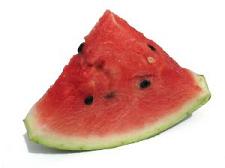
Once we apply this formula, our doubts should be cleared forthwith: with just 5g of net carbs per serving, “47 GI” carrots have a low GL of just 2! And those pesky “72 GI ” watermelons have just 11g of net carbs per serving bringing down their GL to just 7. You can find more Glycemic Index and Glycemic Load values on NutritionData. With a more moderate GL of 14 and also packed with an excellent vitamin and fiber profile, the banana is close to being the perfect food to eat after physical activities.
I hope this series has been useful in answering some questions you might have had about the Glycemic Index, how it’s calculated and why certain foods show abnormally high values for GI although they don’t seem to have that effect when you eat just a single serving (their GL might be low).
I would also like to hear back from you about your thoughts on my decision to split this post into three parts so I could focus on each topic individually and do it full justice. Do send me your feedback in the comments section.
(Part 3 of the Glycemia series: Glycemia | Glycemic Index | Glycemic Load)
Technorati Tags: health, fitness, nutrition, glycemia, glycemic index, glycemic load
