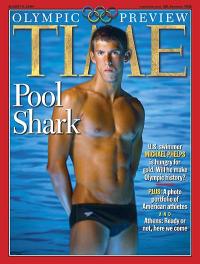
 While the world’s abuzz with the super-human and historic achievements of ace American swimmer, Michael Phelps, few know what it took to keep him going at the blistering pace he managed to maintain (8 Gold medals in the Beijing 2008 Olympics in 5 individual and 3 team events).
He not only beat mark Spitz’s 36-year-old record, but he also did it using all 4 swimming strokes (Spitz only swam freestyle and butterfly) and in an era when other countries from around the world can no longer be ruled out as serious contenders (what with Olympic-level training and access to world-class facilities becoming the norm in more and more countries).
So what does it really take? Yes, there’s perseverance, discipline and training, but there is also … nourishment!
Imagine swimming in 17 Olympic-sized races over a period of around 10 days and managing to continue performing at your peak in each of them. What kind of calorie-intake do you think that would require? Well, the answer is: 4000 calories at every meal - that’s what!
Here’s what it takes to keep Phelps going:
His breakfast: a large bowl of porridge; three doorstep-sized sandwiches of white bread, butter, fried egg, fried onion, lettuce, tomato and mayonnaise; a five-egg omelette tastefully garnished with parsley; three slices of French toast liberally sprinkled with sugar; three pancakes topped with chocolate chips; and two large cups of coffee.
Next to it is lunch, which consists of 1lb (that’s a very large bowl) of pasta with tomato sauce; two large ham-and-cheese sandwiches with more lettuce, tomato and don’t forget the mayo; plus four bottles of a proprietary high-energy sports drink.
For dinner, it’s another pound of pasta, a large cheese-and-tomato pizza, and another four bottles of the same proprietary high-energy sports drink.
[Via Xinhua]
You can visit the Xinhua news site to actually visually see what these monsters of meals look like. Oh, and don’t even try this at home unless you plan to train and compete like Phelps. His average workout burns about 1000 calories per hour (dedicated joggers, you burn about 400). And he does 5 hours of it every day during peak training not counting his actual swims and cooling-off periods!
So, how healthy is this diet in the long-term? Probably not all that much:
Even though the 23-year-old spends a solid five hours of each day burning off those calories, the diet still seems excessive. Is he following some sort of dietician guru’s programme? Barbara Lewin, a nutritionist who has advised international athletes on their dietary health for almost two decades, thinks not.
“Health-wise, if he were eating like this long-term, he’d probably be having to see a cardiologist regularly,” Mrs Lewin told the BBC.
She recommended cutting out the egg yolks, replacing the white bread with whole-wheat, throwing some fruit and vegetables into the mix, and spreading the food out over the day with regular snacking.
[Via BBC News]
Just goes to show that one’s diet must be a pure function of one’s need. Too much or too little and you’re just setting yourself up for nutritional disaster. Age, gender, physical activity and your own specific plan (fat loss? muscle gain?) - they all play a vital role in determining what and how much you should eat.

{ 2 comments… read them below or add one }
I’ve seen 2 entries now where the number of calories burned by joggers is quoted at 400 per hour. I find this fishy. Most people I know burn at least 100 calories per mile and jog much faster than 4 miles per hour (which is a walking speed, in my opinion).
This guy has serious skills despite his trouble in the media. I’m glad to see him returned to the pool.