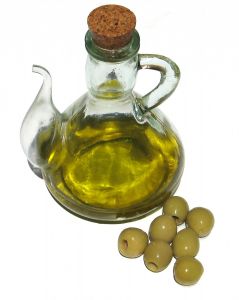
Olive Oil: Nature's Miracle
Olive Oil, the foundation of the much publicized and praised Mediterranean Diet, has always been known to be extra-great for the human body. Its abilities to reduce the risk of diseases like heart-disease and stroke have been written about extensively, but it is only just now that more details about the antioxidant properties of this miracle liquid are coming to light.
In a study published in Molecular Nutrition and Food Research, Portuguese scientists report that a particular antioxidant called DHPEA-EDA is primarily responsible for protecting red blood cells from damage. Oxidation caused by highly reactive oxygem molecules and free radicals are the chief cause of the hardening of arteries as they react with bad cholesterol. Since red-blood cells carry oxygen, they are more likely to be damaged by this oxidation.
Although the researchers considered four different antioxidants to test their effects on red-blood cells subjected to oxidation, only one showed promise:
DHPEA-EDA was the most effective and protected red blood cells even at low concentrations. The researchers say the study provides the first evidence that this compound is the major source of the health benefit associated with virgin olive oils, which contain increased levels of DHPEA-EDA compared to other oils. In virgin olive oils, DHPEA-EDA may make up as much as half the total antioxidant component of the oil. [Science Daily]
This definitely strengthens the case to include olive oil (particularly the extra-virgin variety) in a daily diet of minimally processed foods including fruits, vegetables, lean meats and nuts. Extra-Virgin Olive Oil can be used in a number of a ways, particularly in salad dressings and for light sauteing. The only thing it is not recommended for is for frying since it has a lower smoke point than vegetable or canola oil.
How do you get your daily dose of olive oil?
