Portion control is a recurring theme on FitnessMantra and given that total calorie consumption is the single most important criterion for effective weight management, it’s easy to see why. More than a year ago, I wrote “FDA asks restaurants to reduce portion sizes” in which I even joked about how some restaurant portions were enough for even 4 people sometimes! But as is always the case, government agencies making recommendations and the affected parties actually following those recommendations are two totally different things.
Chefs don’t count calories, so it’s up to you announces an MSNBC news article which begins by saying that if you are trying to watch your weight but still like eating out, then you’re probably out of luck.
In many restaurants, a pasta bowl can hold 2 pounds. A plate of steak or fish weighing more than a pound is not unusual. Even sandwiches can contain more than 1,000 calories. While three-quarters of chefs believed they prepared regular-size servings the portions they offered were two to four times larger than a typical person should eat …
 That’s the primary problem right there - chefs not having the right training (or the restaurant not having a strict policy) about what the right portion for a particular kind of food is.
For example, a popular restaurant chain’s smallest steak is 9 ounces and has 740 calories. An appropriate portion would be 4 ounces with only 300 calories.
According to the article, the actual number of calories in the meal ranks pretty low when compared to how good the dish looks when finally presented to the diners and what it costs. So with chefs not knowing how (or unwilling) to count calories, it’s upto you, the discerning consumer to keep tabs on what you’ve eaten. But like the article goes on to say, it’s often not that easy to know when to stop.
A few interesting experiments prove not only that larger portions lead to larger consumption (sometimes upto 50% more!), but also that eating more during one meal does not automatically mean you’ll reduce consumption during the next.
It’s not just a matter of eating less of everything on your plate. We should be eating less of some foods and more of others. It’s the jumbo servings of calorie-laden foods that are high in fat and low in moisture that cause the problems. Popular restaurant fare such as entrees smothered in sauces and french fries tend to fall in this category.
Seek out low-calorie foods that are high in water and fiber content, such as vegetables, fruits and soups. When you cut your portions of fatty meats and fries, fill the gap on your plate with your favorite veggies.
To add to all this lack of information (and just make things a bit more mysterious), just a couple of days ago, fast-food restaurants in New York got a temporary reprieve from having to put calorie information for the food items they were serving. So what is one to do? Just follow the advice in the last line of the article:
Remember, the best way to combat large portions is to order from the menu wisely — and ask for a doggie bag.
Even if you don’t have a doggie, I might add.
Technorati Tags: health, fitness, nutrition, restaurant, portions, portion control
Related Posts:
 Welcome to “FitnessMantra Weekend”, your once-a-week health news update. As always you can also stay updated with the latest in fitness news by subscribing separately to the Fitness Mantra del.icio.us feed.
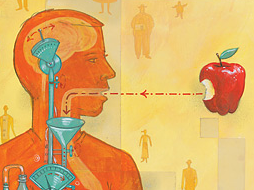 When something gets so important that Time Magazine issues a Special Health Report about it, you just know the details will be worth the effort. That is precisely the case with The Science Of Appetite. A multi-part article about all things related to appetite including the how and why of eating habits and weight gain.