RSS Subscribe Subscriber count

March 2007

Glycemia - It’s All About Blood Sugar

31

March

(Part 1 of the Glycemia series: Glycemia | Glycemic Index | Glycemic Load)

When tennis ace Maria Sharapova gets a surreptitious wink and nod from her dad in the stands and immediately reaches into her gym bag, pulls out a half-eaten banana and proceeds to chomp off a big chunk of it,Maria Sharapova Eats A Banana you know something’s going on. And I don’t mean obvious questions about the legality of coaching from the stands during a Grand Slam tournament. I mean there must be something to eating bananas during a high intensity sport - something special about that particular fruit as compared to other fruits/foods.

Enter: that important nutrition-related term, Glycemic Index, and its close cousin, Glycemic Load, both of which will be discussed in greater detail in parts 2 and 3 of this mini-series I am starting with this post. But first, the attribute that started it all …

Glycemia

Glycemia is simply the concentration of sugar (glucose) in the bloodstream. When you see diabetic patients prick their fingers and read off numbers like 90 or 120 from their glucometers, it is precisely glycemia values that they are measuring (in the U.S. and some other countries, glycemia is expressed in milligrams of glucose per decilitre of blood, or mg/dl).

Especially because glucose is the single most important source of energy for most cells, the human body needs to be able to maintain its glycemia within a specific range of values to function normally (typically 70-100 mg/dl is considered normal for most humans although certain people might have a slightly different range that could be considered normal for them). Diabetes is nothing more than a condition that renders the body unable (for a variety of reasons) to maintain its glycemia within its normal range.

By now you are probably wondering why you should care about glycemia as long as it is within its normal range. Consider this: eating almost always causes a rise in glycemia and this is because of the obvious reason that the food we consume is finally converted to glucose and released to the bloodstream for transport to the cells that need it for energy. Well, guess what happens when there is sudden influx of sugar in the bloodstream? The body needs to get that sugar out of the blood and to the cells so it can maintain its glycemia range, and so it sends off an SMS message to the pancreas to get some of that magic hormone, insulin, flowing. Insulin’s primary job is to - you guess it - get the sugar out of the bloodstream and to the cells that can use it as energy (a rather simplistic explanation of a decidedly complex process, but it will do for purposes of this discussion).

But now for the aha-moment that you Fitness Mantra readers have been waiting for: insulin has a secondary job as well: when it realises that there is more glucose in the blood than the body needs right away, what do you think it does? If you are among those that answered “stores it as fat”, then you are absolutely right (the rest can take a deep breath and collectively say out loud: “Aha!”). This is precisely why you should never have a single large meal at one sitting and even if you are having a calorie-controlled meal you must try to eat foods that don’t wreak havoc with your glycemia levels.

Wait, what was that? Although all foods are eventually converted to glucose, some foods are converted faster than others and release energy more quickly?

Yes. (That was Maria answering - she obviously knows something we don’t.) Don’t worry - things will soon be crystal clear with no lingering doubts (unlike that line call during the second set!)

In Part 2 of this series, Glycemic Index I want to talk about the number used to categorise foods based on their effect on glycemia, while Part 3 Glycemic Load will explore a slightly more accurate food-ranking system which also takes portion-sizes into account. Since it is likely these posts will span over a few days, I will cross-link them so it will be easy to move from one to the next.

Looks like the mystery of Maria’s frequent banana breaks will be solved soon … don’t turn that dial check back soon!

(Part 1 of the Glycemia series: Glycemia | Glycemic Index | Glycemic Load)

Technorati Tags: health, fitness, nutrition, glycemia, glycemic index, glycemic load

Related Posts:


FitnessMantra Weekend: Body Fat Percentage Is A Better Obesity Indicator Than Body Mass Index

25

March

Fitness Mantra del.icio.us pageWelcome to “FitnessMantra Weekend”, your once-a-week health news update. As always you can also stay updated with the latest in fitness news by subscribing separately to the Fitness Mantra del.icio.us feed.



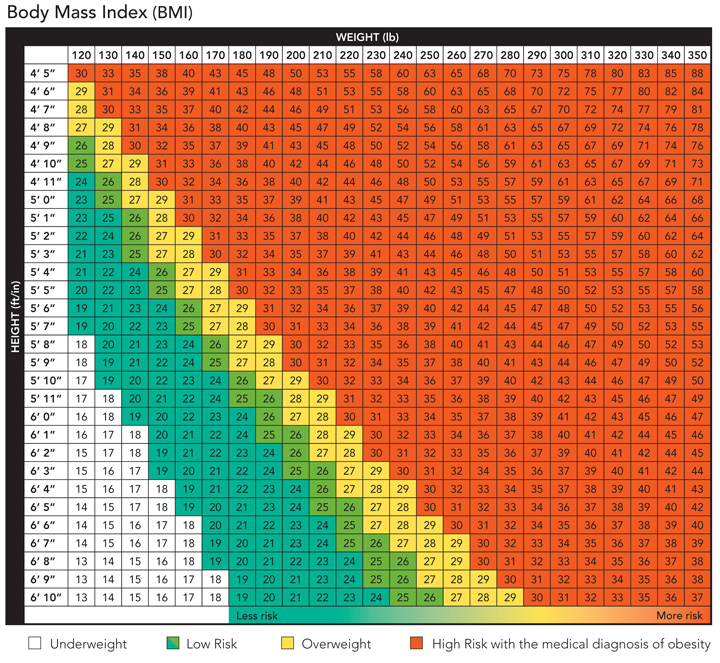
Fitness-wise it was a quieter week than usual over the news wires, but that does not reduce the importance of certain stories, especially the BBC feature that talks about how a Fat scan shows up ‘true’ obesity. It talks about a new indicator called Body Volume Index(BVI) that is now being measured in human beings and it goes back to the old Body Mass Index vs Body Fat Percentage as a means to determine if a person is obese or not. (You can read more about what each indicator means in one of my previous posts). This BBC article describes it best when it says:

Currently, doctors gauge fatness with a calculation of body mass index (BMI). But BMI is flawed - people with lots of muscle are considered overweight. Instead of relying on weight and height measurements, as BMI does, the [newly developed 3d] scan takes into account body shape and how much fat a person carries.

I have previously mentioned my similar disillusionment with using Body Mass Index which I feel is an inaccurate indicator of whether a person is obese and this belief is only further vindicated when I read such stories:

One human guinea pig who has tested the BVI scanner is 19-year-old rower Ashley Granger. He is 6ft 2ins (1.88m) tall and according to his BMI of 28 is at the top end of the overweight category, borderline obese.

His BVI scan correctly showed that he carries very little fat and that his weight is largely due to muscle. Fitness trainer Matt Roberts said: “Muscle weighs more than fat does. And you can hide away fat but be quite thin looking.

“So it’s important that we don’t just use BMI alone.”

Click To Enlarge (Image Source: Obesity Treatment Center)

So, while it’s still a quick and easy overweight-indicator for most average adults, Body Mass Index should not be used as the only indicator especially if you perform strength training regularly and have a strong reason to believe that a lot fo your weight could be from muscle rather than fat.

Health and fitness stories for this week follow:

  1. Slimming for summer? Beware March madness: Swimsuit season is now closer than you think. That’s why March, not January, is the peak month for dieting, according to surveys.
  2. Fortified foods: Too much of a good thing?: You’re in the grocery store shopping for a carton of orange juice for tomorrow’s breakfast and you’re faced with a decision: plain old juice or, for no extra cost, one fortified with bone-building calcium.
  3. Fat scan shows up ‘true’ obesity: “Muscle weighs more than fat does. And you can hide away fat but be quite thin looking. “So it’s important that we don’t just use BMI alone.”
  4. Exercise May Ease Menopause Symptoms: Menopausal women who exercise regularly appear to have a better quality of life than women who don’t, a new study shows.
  5. Plant foods cut breast cancer risk: Postmenopausal women who eat healthy amounts of plant foods rich in estrogen-like compounds called lignans may reduce their risk of developing breast cancer, according to a new study.
  6. Eating fruit may prevent colon cancer: People who eat a diet high in fruit and low in meat reduce their risk of developing colon cancer, researchers reported on Wednesday.
  7. Chinese restaurant food unhealthy: The typical Chinese restaurant menu is a sea of nutritional no-nos, a consumer group has found.
  8. High fat diet may up breast cancer risk: A large study of middle-age women with a wide range of fat in their diet shows that eating a high-fat diet raises the risk of developing invasive breast cancer.
  9. Blood sugar ‘boosts cancer risk’: Women with high blood sugar levels are at an increased risk of developing cancer, a major European study finds.
  10. Acids in Popular Sodas Erode Tooth Enamel: Root beer could be the safest soft drink for your teeth, new research suggests, but many other popular diet and sugared sodas are nearly as corrosive to dental enamel as battery acid.
  11. Inactivity ‘costs NHS £1 billion’: Couch potato lifestyles cost the health service more than £1 billion a year, research suggests.
  12. Produce Campaign Aims to Produce Better Health: Get ready for the juggler. That’s the icon that you’ll soon see on fruit, vegetables and the healthy products that contain them.
  13. Secret to slim kids: 15 minutes of activity: Just 15 minutes a day of kicking around a ball or swimming might be enough to keep children from becoming obese, British and U.S. researchers said on Monday.
  14. Warning over hidden salt in foods: People are making progress on cutting their salt intake but too many still forget to check for hidden salt in foods, campaigners warn.
  15. States pushing online fitness programs: With obesity worsening across the nation, a growing number of states like Indiana are launching online initiatives to combat residents’ expanding waistlines.

Get the best health and fitness stories of the week in your RSS inbox.

Have a great weekend!

Fitness Mantra del.icio.us page

Technorati Tags: health, fitness, health news, fitness news, health links, fitness links, del.icio.us, body mass index, body fat percentage, body volume index, bmi, bvi

Related Posts:


Next Page »

Currently Reading:
"Good Calories, Bad Calories"
by Gary Taubes
Good Calories, Bad Calories

Subscribe to Fitness Mantra       Proud Member of the 9Rules Network


Recent Comments
  • kasey: I love the fiber one chewy bars! DELICIOUS!! I would rather eat one of these bars than a candy bar. I am a...
  • Michelle: I LOVE these bars, but they make you fart profusely! Buy some gas-x when eating these delicious bars. I...
  • Economist: Thanks to review #81... great information and well balanced review... "everything in moderation" right? If...
  • RB: Gas, Gas, and more Gas. At least there was no smell!
  • Dave: This is a great snack at work. I have some paper bowls and spoons at my desk. I mix 1/3 to 1/2 cup oatmeal with...


del.ico.us

Links To FitnessMantra (Technorati)