RSS Subscribe Subscriber count

Archived Posts from 'Meals'

Glycemic Load: Carbohydrates In Serving Size Determine A Food’s Glycemic Effect

13

April

(Part 3 of the Glycemia series: Glycemia | Glycemic Index | Glycemic Load)

If you have been following along with the series, by now you should be having a pretty good idea of the effect that certain foods have on our immediate energy levels. In the first, Glycemia, we discussed how cells require glucose for energy and the narrow range in which our body needs to maintain its blood-glucose concentration (or glycemia) in order to function normally. We also wondered why a banana seemed to provide athletes with instant energy.

Part Two, Glycemic Index answered that question by showing how certain foods are able to more quickly give up their glucose content than others. We also discussed the actual numerical attribute named Glycemic Index that is assigned to each food indicating how quickly they tend to raise glycemia.

Sure, the mystery of the banana was solved, but that only raised more questions: OK the banana has a GI of 52, but how come a vegetable like the carrot has a GI of 47? And a watermelon is 72! Can Maria substitute a bag of carrots or a large slice of watermelon for her banana? She can but it won’t do her any good. This is because, while Glycemic Index ranks foods by their effect on glycemia, the actual effect is based on how much you consume (serving) and how many carbohydrates (the sugar carriers) are in that serving. Remember this definition from the second post:

Technically, the glycemic index of a food is defined by the area under the 2 hour blood glucose response curve following the ingestion of a fixed portion of carbohydrate (usually 50 g).

The glycemic index can only be applied to foods with a reasonable carbohydrate content, as the test relies on subjects consuming enough of the test food to yield about 50 g of available carbohydrate.

Think about it: glucose has the highest GI, but if you pop just a pinch of it in your mouth how much of a glycemic effect is it really going to have? Compare it with the effect of a cupful of carrots and you can understand where we are heading: not all of our serving sizes have 50g of carbohydrates in them and the GI number is valid only if we eat enough of the food to get 50g of carbs from it!

The “true” meaning of the Glycemic Index - what we should really be concerned about - is: “I am about to eat a single serving of this food - what is it’s Glycemic effect?”. The term that describes this attribute is:

Glycemic Load: Glycemic Load is a method to rank foods based on both their Glycemic Index values and their serving sizes.

Since it is the carbohydrates in a single serving we are concerned with, Glycemic Load (GL) is simply calculated by multiplying a food’s GI by its carbohydrate-per-serving and dividing by hundred.
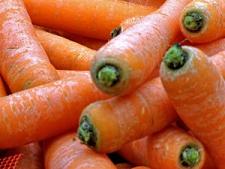
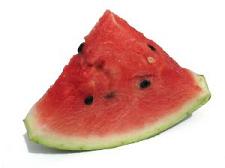
carrots watermelon

Once we apply this formula, our doubts should be cleared forthwith: with just 5g of net carbs per serving, “47 GI” carrots have a low GL of just 2! And those pesky “72 GI ” watermelons have just 11g of net carbs per serving bringing down their GL to just 7. You can find more Glycemic Index and Glycemic Load values on NutritionData. With a more moderate GL of 14 and also packed with an excellent vitamin and fiber profile, the banana is close to being the perfect food to eat after physical activities.

I hope this series has been useful in answering some questions you might have had about the Glycemic Index, how it’s calculated and why certain foods show abnormally high values for GI although they don’t seem to have that effect when you eat just a single serving (their GL might be low).

I would also like to hear back from you about your thoughts on my decision to split this post into three parts so I could focus on each topic individually and do it full justice. Do send me your feedback in the comments section.

(Part 3 of the Glycemia series: Glycemia | Glycemic Index | Glycemic Load)

Technorati Tags: health, fitness, nutrition, glycemia, glycemic index, glycemic load

Related Posts:


Glycemic Index: Some Foods Raise Your Blood Glucose Faster Than Others

07

April

(Part 2 of the Glycemia series: Glycemia | Glycemic Index | Glycemic Load)

When we last left Maria Sharapova in part one, Glycemia, of this three part series, she was sitting in her chair sulking over a dubious line call and chomping on a banana. The question uppermost in our minds - why a banana? Wouldn’t an apple or some other fruit do? And why not some of those so-called energy drinks?

To answer these questions, let’s quickly recap what we discussed in the first post:

  1. Glucose (sugar) is the primary source of energy for the cells in our body
  2. Glycemia is the concentration of glucose in the bloodstream
  3. A fixed range of glycemia (typically 70-100 mg/dl) is required for the body to function normally
  4. The hormone insulin acts as a regulator to enforce this range and does so by carrying off additional blood-glucose to the cells that need it for energy
  5. In case there’s even more glucose than is currently required for the cells, the excess gets stored as fat

It is the 4th point above that is of concern to us now. While the ultimate digestive process in the intestines also causes glucose to enter the bloodstream, certain food sugars enter the blood stream directly from the stomach by a process called absorption. So if we are ever in need of a quick burst of energy, guess what kind of foods we should choose? That’s right - we should look for foods that give us that much-needed glucose ASAP! And how do we find such foods? Why, of course by looking up the …

Glycemic Index: Glycemic Index (GI) is a method that ranks foods based on how fast they raise glycemia.

Wikipedia explains

Carbohydrates that break down rapidly during digestion have the highest glycemic indexes. Carbohydrates that break down slowly, releasing glucose gradually into the blood stream, have a low glycemic index.

Technically, the glycemic index of a food is defined by the area under the 2 hour blood glucose response curve following the ingestion of a fixed portion of carbohydrate (usually 50 g).

Generally, glucose is given the Glycemic Index value of 100 and all other foods are given numbers based on their effect on glycemia compared with glucose. I say “generally” because some scales use white-bread as a base reference (giving it 100) - in which case glucose becomes 140. This type of scale is useful for those who like to keep a food they see and eat everyday as a ready reference rather than pure glucose which we almost never get a chance to see in our daily lives. For the purposes of our discussion, we shall use glucose as the base (GI=100) - so no food shall have a GI greater than 100.

bananas raisinsrice bowlpotatoes

Here are the Glycemic Index values for some common foods (glucose=100):

Peanuts 14
Pizza 30
Lowfat yogurt 33
Apples 38
Carrots 47
Oranges 48
Bananas 52
Potato chips 54
Snickers Bar 55
Brown rice 55
Honey 55
Oatmeal 58
Ice cream 61
Raisins 64
White rice 64
Sugar (sucrose) 68
White bread 70
Popcorn 72
Baked potato 85
Glucose 100

glycemic index logoFor more information about GI, you can also visit GlycemicIndex.com, the “home of Glycemic Index and the GI database”. The site includes numerous resources such as a detailed description of how GI is measured, a monthly newsletter containing information about the latest developments in the world of GI and, most useful of all, a GI database with the current GI values of almost any food you could think of searching for.

All these features are available as links on the home page of GlycemicIndex.

Some reasons to eat low-GI foods:

  • Low GI diets help people lose and control weight
  • Low GI diets increase the body’s sensitivity to insulin and improve diabetes control
  • Low GI carbs reduce the risk of heart disease and blood cholesterol level

Essentially, since low-GI foods release their energy slowly to the body, they provide the body with a more uniform and continuous supply of energy preventing drastic fluctuations in blood-glucose levels (which in turn would wreak havoc on insulin production and utilization)

So when are the best times to eat high-GI foods? Pretty much right after exercise or strenuous activity. The high-GI carbs help re-fuel carbohydrate stores in our bodies.

Now that you are familiar with the term Glycemic Index and know the effect of high and low GI foods on our bodies it is becoming clearer why our tennis ace prefers bananas on the court as a mid-game snack. With a GI of about 52, it’s an ideal energy-booster. Also from the table listed above it is probably the most convenient to stash in a gym bag (try carrying a bowl of raw cooked rice!) and compared to a Snickers bar it is lower in fat and more healthful because it also contains vitamins and fiber with very little fat.

But wait, you say? You are not completely convinced with this explanation because you have been studying the table carefully and are starting to notice some strange things: apples have a GI of 38 (not too bad in comparison) and the good old carrot, a vegetable, has a GI of 47?

To get a quick energy-boost, wouldn’t Maria be way better off with an apple or carrots since these have similar GI profiles (and carrots actually have much less sugar and tons of vitamins to boot)? Actually she wouldn’t; but if you are having these doubts, then you are on the right track.

Stay tuned folks: this series wraps up with answers to this final conundrum in the last part of this series: Glycemic Load.

(Part 2 of the Glycemia series: Glycemia | Glycemic Index | Glycemic Load)

Technorati Tags: health, fitness, nutrition, glycemia, glycemic index, glycemic load

Related Posts:

« Previous PageNext Page »


Currently Reading:
"Good Calories, Bad Calories"
by Gary Taubes
Good Calories, Bad Calories

Subscribe to Fitness Mantra       Proud Member of the 9Rules Network


Recent Comments
  • Jon P: I love the Ultimate Grains bread. The Hearty Superseed is also quite tasty - 6 grams of protein, 15 carbs, 3...
  • GeegeR: FINALLY! Yes, it's true, you should not try to throw yourself into something extreme. Fitness goals are much...
  • Tim K: OMG. I eat these every day so I can have hours of unending, smile-cracking gas. There is so much gas, you...
  • william: Our family started eating a product called MISSION WRAPS. We bought them from Wal-Mart. On the cover it says...
  • Jamie: I love the fiber one bars. I have turned 5 of my friends on to them. All the whinners out there need to chill...


del.ico.us

Links To FitnessMantra (Technorati)