FitnessMantra Weekend: Peas - An Excellent Source of Vitamins And Protein
04
March
 Welcome to “FitnessMantra Weekend”, your once-a-week health news update. As always you can also stay updated with the latest in fitness news by subscribing separately to the Fitness Mantra del.icio.us feed.
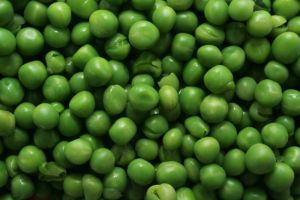 Lot’s of great stories hit the wires this week, but a few of them caught my eye as I bookmarked them. First off, a great article on peas (yes, those green peas): Green Peas: A Vitamin Powerhouse describes the nutritional superfoods these littel green spheres are.
“This green legume is loaded with A, B-1, B-6, C, and a supersized serving of osteoporosis-fighting K. […] Peas are high in fiber and low in fat and contain no cholesterol. Plus, they’re a good source of vegetable protein. Did you know that a 100-calorie serving (about 3/4 cup) has more protein than 1/4 cup of almonds or a tablespoon of peanut butter?” I didn’t!
Then there is the sad, sad story of the three fast-food restaurants that decided to remove what little nutritional information they had available to their consumers. What happened? Well, the city of New York has is making it mandatory for restaurants to list calorie counts of items right next to their price on the display boards, but to begin with they only required this of restaurants that already had publicly available calorie information. Rather than make room on their display boards, Wendy’s, White Castle and Quiznos decided it would just be easier to remove their calorie information altogether. Isn’t that wonderful?
And now … more health and fitness stories from this week:
- 10 Food Fibs that Make You Fat: When Pinocchio lied, his nose grew. When you lie to yourself about your diet, it won’t be your nose growing.
- 3 fast-food chains in NYC yank calorie info: Wendy’s, White Castle and Quiznos sandwich shops were among a handful of eateries that yanked nutritional information from some restaurants or their Web sites
- Pizza rewards for readers called bad idea: You’ve read the book, now eat the pizza.
- Brushing teeth could prevent heart attacks and strokes: Brushing and flossing can be good for your heart and blood vessels as well as you teeth, according to research.
- Whole-Grain Cereals Cut Heart Risks: Study: Eating whole-grain breakfast cereal is associated with a reduced risk of heart failure, a new U.S. study says.
- Weight Loss Supplements Widely Used: Roughly one in seven U.S. adults has used nonprescription dietary weight loss supplements, and few tell their doctors about it.
- Diabetes and Weight Loss: Finding the Right Path: There’s no question about it: If you’re overweight and have type 2 diabetes, dropping pounds lowers your blood sugar, improves your health, and helps you feel better.
- Green Peas: A Vitamin Powerhouse: This green legume is loaded with A, B-1, B-6, C, and a supersized serving of osteoporosis-fighting K.
- Beans: Protein-Rich Superfoods: High in fiber and antioxidants, beans aren’t just good for the waistline, they may aid in disease prevention, too.
- Painless weight loss, 50 calories at a time: Making tiny changes to your meals can help you win the battle of the bulge
- Toss out these foods myths: “You get more out of a meal physically and emotionally when it’s a pleasure to eat.”
- High Blood Sugar Linked to Cancer Risk: Women with high blood sugar may be more likely to develop cancer, even if they don’t have diabetes, a Swedish study shows.
- Tunes that bring on the burn: Celebrity fitness trainer Jeanette Jenkins says high-energy tunes are key to busting exercise boredom
- French cracking down on junk food ads: Less fat, less sugar, less salt: Even the mostly svelte French are cracking down.
- Diabetes Rate May Outpace Predictions: The global diabetes rate may be rising much more quickly than predicted, a Canadian study shows.
- Internet slimming pills warning: The illicit availability of appetite suppressant pills online is fuelling a slimming obsession and putting lives at risk, experts warn.
- Warning over bread salt content: The salt intake in some bread is so high it is killing 7,000 people a year, campaigners say.
- Reduce your BMI, pay less for insurance: Amid a growing obesity epidemic in the United States, an insurance company has started giving customers another reason to slim down by being one of the first in the nation to offer discounts to customers who keep a low body-mass index.
- Drinking a little wine can help men live longer: Drinking a small amount of wine appears to extend men’s life expectancy by a few years, Dutch researchers said Wednesday in the latest study to find benefits in moderate drinking.
- Summer May Boost Childhood Obesity: A new study shows that kindergarteners and first-grade students are more likely to gain extra weight during summer break than during the school year.
- Get that annual check-up, it’s worth it:: The traditional annual physical exam, or “periodic health evaluation,” delivers preventive care and decreases worry for patients, and justifies the costs, according to a new report.
- Connecticut may ban trans-fats: “Public health in Connecticut can only be improved by eliminating a product which is neither necessary nor healthy,”
- Low-fat dairy food may hurt fertility: Women who eat low-fat dairy foods may have a higher risk of infertility than those who treat themselves to full-fat ice cream or cheese, surprised U.S. researchers said on Tuesday.
- Antioxidants Don’t Help You Live Longer: Antioxidant vitamins taken by tens of millions of people around the world won’t lead to a longer life, according to an analysis of dozens of studies that adds to evidence questioning the value of the popular supplements.
- Is Your Social Life Making You Fat?: Don’t let others’ bad habits sabotage your efforts to eat right.
- A Step-by-Step Executive Workout: The bottom line is this: The healthier you are, the more productive you will be; the fitter you become, the fewer work days you will miss, the less susceptible to stress you will be, and the better you will sleep.
- Public want food ‘traffic lights’: The public overwhelmingly support “traffic light” food-labelling rather than the system adopted by much of the food industry, a survey suggests.
- On some menus, one plate has 2,000 calories: Everyone likes to splurge a little when they go to a restaurant, but new research suggests some of those indulgences may be packing way more calories - and, if you aren’t careful, pounds - than you think.
- Early man ‘couldn’t stomach milk’: A drink of milk was off the menu for Europeans until only a few thousand years ago, say researchers from London.
- Garlic does not lower cholesterol: study: Eating garlic raw or in supplement form does not lower “bad” cholesterol levels, despite widespread health claims for the pungent plant bulb, researchers said on Monday.
- Nine secrets to a healthier heart: Here’s a wake-up call: Fact is, heart disease kills far more women each year than cancer does.
- Black Soya Beans May Help Prevent Weight Gain: New research in rats suggests that black soya beans may be a wonder food of sorts, helping to prevent obesity, lower cholesterol levels and possibly even reduce risks for diabetes.
- South Pacific is ‘fattest region’: A survey on obesity has shown that the South Pacific is the world’s most overweight region.
- UK mother retains custody of obese son: A mother who feared she might lose custody of her obese 8-year-old son unless he lost weight was allowed to keep the boy after striking a deal Tuesday with social workers to safeguard his welfare.
Get the best health and fitness stories of the week in your RSS inbox.
Have a great weekend!
Technorati Tags: health, fitness, health news, fitness news, health links, fitness links, del.icio.us
Related Posts:
 However, for #5 I chose to include “Annual Physical Exam” and while some may question whether this is really a “top 5″ item, a recent study published in the Annals of Internal Medicine might just vindicate my choice.