del.icio.us Friday: The U.S. Dietary Guidelines And Food Pyramid Just Got Easier To Follow
12
January
 Welcome to del.icio.us Friday, your once-a-week health news update. You can also stay updated with the latest in fitness news by subscribing separately to the Fitness Mantra del.icio.us feed.
An interesting article popped up on my RSS feed today from the Washington Post’s Lean Plate Club writer, Sally Squires. She reports that a new national campaign called “Take A Peak” is being launched by a select group of grocery stores like Giant Eagle and the Brookshire Grocery Company.
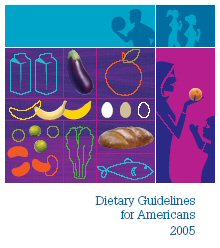 These stores will henceforth highlight those products in their aisles that meet or exceed the standards set by the 2005 Dietary Guidelines For Americans (published jointly every 5 years by the Department of Health and Human Services (HHS) and the Department of Agriculture (USDA)).
You can download the current set of guidelines either by individual chapters or as a single document and I believe this should be made mandatory reading for everyone.
For a fun pyramid representation of these guidelines check out MyPyramid.gov which gives you a personalized daily plan based on your individual requirements.
Consumers will find aisle banners, kiosks and other displays in stores that will help point them to fare that is consistent with the 2005 U.S. Dietary Guidelines. For example, signs will remind them of how many servings of whole grains to eat daily (three) and then show them what foods equal a single serving. (A slice of whole grain bread.)
- Via The Washington Post
Here are the top health stories for this week:
- Not Overweight? You May Still Be ‘Fat’: Women who aren’t overweight but still have a high percentage of body fat may have more inflammation in their bodies, an Italian study shows.
- New Program to Direct Healthier Food Purchases: Learning how to eat according to the U.S. Food Guide Pyramid may soon get a little easier: Grocery manufacturers and food product makers today unveiled a new national campaign in stores and elsewhere to help consumers follow the government’s healthy diet.
- Food banks provide low nutritional value: study: Low-nutrient food hampers are putting people who rely on food banks at risk of developing depression and obesity, researchers suggest.
- Eat more fruit but at mealtimes, toddlers warned: Everyone knows you should eat fruit because it’s good for you. But a new study has found that it’s not just how much but when you eat it.
- Dieting at new low, but most in U.S. want to lose: The percentage of Americans who are dieting is at its lowest in at least 16 years even though a majority of adults say they would like to lose 20 pounds (9 kg), according to a study released on Wednesday.
- Coffee helps douse workout pain: Moderate doses of caffeine the equivalent of two cups of coffee can cut post-gym muscle pain, suggests a new but small study.
- Obesity operations soar in U.S.: The number of middle-aged Americans undergoing surgery for obesity skyrocketed between 1998 and 2004, according to a study released Wednesday.
- Blood test predicts heart attack: A blood test may give doctors an early warning that a heart patient’s condition is about to get worse.
- How spicy foods can kill cancers: Scientists found that capsaicin, an ingredient of jalapeno peppers, triggers cancer cell death by attacking mitochondria - the cells’ energy-generating boiler rooms.
- Caffeine addiction fear over soft drinks: SOFT drinks manufacturers are adding caffeine to their products, increasing the likelihood that children will become mildly addicted to them, scientific research has suggested.
- Milk in tea ‘blocks health gains’: Adding milk to a cup of tea can destroy its ability to protect against heart disease, according to research.
- Fitness on Demand — With a Little Help From DVDs: When time’s short, the weather’s lousy or the gym’s not a remote possibility, fitness DVDs can be a godsend. Here are a few of my favorites, moving from beginner to advanced
- Obesity, Heart Disease May Start Young: The study’s findings suggest that being overweight at a young age (9-12) “is not harmless and should be viewed as a serious health risk by parents and pediatricians,”
- Obesity Ups Prostate Cancer Death Risk: Obesity can double a man’s risk of dying from prostate cancer, a National Cancer Institute study shows. Moreover, the more weight a man gains during adulthood, the higher his risk of prostate cancer death.
- AstraZeneca Joins the American Heart Association to Promote Workplace Wellness: AstraZeneca joins the American Heart Association (AHA), and other national sponsors Healthy Choice and Subway, this morning to ring the opening bell at the New York Stock Exchange, officially launching the AHA’s national Start! movement to promote walking and other healthy habits in the workplace.
- As obesity fight hits cafeterias in the U.S., many fear a note from school: Six-year-old Karlind Dunbar barely touched her dinner, but not for time-honored 6-year-old reasons. The pasta was not the wrong shape. She did not have an urgent date with her dolls.
- MTA: Fainting dieters delay NYC subways: Sick subway passengers, most of them dieters who faint from dizziness, are among the top causes of train delays, according to the Metropolitan Transportation Authority.
- Pro-anorexia websites ‘are killing people’: Vulnerable young people are being lured into starving themselves, or binge eating and throwing up their food, by websites that glorify “pro-ana” lifestyles, say health campaigners.
- FDA proposes health claim for calcium and vitamin D: The Food and Drug Administration on Friday announced its proposal to allow new health claims on foods and dietary supplements containing calcium and vitamin D to indicate that these nutrients have the potential to help reduce risk of osteoporosis.
- Full-fat dairy products linked to lower weight: Swedish researchers found that among more than 19,000 middle-aged women, those who had at least one serving of whole milk or cheese each day put on less weight over the next 9 years than women who consumed these foods less often.
- PREDICTING 2007 TRENDS IN FOOD: With last year’s focus on the dangers of trans fats, will we see more interest in good and bad fats in 2007? With sodium levels skyrocketing in convenience products and restaurant items, could salt be the next villain?
- Bias Is Found in Food Studies With Financing From Industry: Research studies financed by the food industry are much more likely to produce favorable results than independently financed research, a report to be published today said.
Get the best health and fitness stories of the week in your RSS inbox.
Technorati Tags: health, fitness, health news, fitness news, del.icio.us
Related Posts: