RSS Subscribe Subscriber count

Glycemic Load: Carbohydrates In Serving Size Determine A Food’s Glycemic Effect

13

April

(Part 3 of the Glycemia series: Glycemia | Glycemic Index | Glycemic Load)

If you have been following along with the series, by now you should be having a pretty good idea of the effect that certain foods have on our immediate energy levels. In the first, Glycemia, we discussed how cells require glucose for energy and the narrow range in which our body needs to maintain its blood-glucose concentration (or glycemia) in order to function normally. We also wondered why a banana seemed to provide athletes with instant energy.

Part Two, Glycemic Index answered that question by showing how certain foods are able to more quickly give up their glucose content than others. We also discussed the actual numerical attribute named Glycemic Index that is assigned to each food indicating how quickly they tend to raise glycemia.

Sure, the mystery of the banana was solved, but that only raised more questions: OK the banana has a GI of 52, but how come a vegetable like the carrot has a GI of 47? And a watermelon is 72! Can Maria substitute a bag of carrots or a large slice of watermelon for her banana? She can but it won’t do her any good. This is because, while Glycemic Index ranks foods by their effect on glycemia, the actual effect is based on how much you consume (serving) and how many carbohydrates (the sugar carriers) are in that serving. Remember this definition from the second post:

Technically, the glycemic index of a food is defined by the area under the 2 hour blood glucose response curve following the ingestion of a fixed portion of carbohydrate (usually 50 g).

The glycemic index can only be applied to foods with a reasonable carbohydrate content, as the test relies on subjects consuming enough of the test food to yield about 50 g of available carbohydrate.

Think about it: glucose has the highest GI, but if you pop just a pinch of it in your mouth how much of a glycemic effect is it really going to have? Compare it with the effect of a cupful of carrots and you can understand where we are heading: not all of our serving sizes have 50g of carbohydrates in them and the GI number is valid only if we eat enough of the food to get 50g of carbs from it!

The “true” meaning of the Glycemic Index - what we should really be concerned about - is: “I am about to eat a single serving of this food - what is it’s Glycemic effect?”. The term that describes this attribute is:

Glycemic Load: Glycemic Load is a method to rank foods based on both their Glycemic Index values and their serving sizes.

Since it is the carbohydrates in a single serving we are concerned with, Glycemic Load (GL) is simply calculated by multiplying a food’s GI by its carbohydrate-per-serving and dividing by hundred.
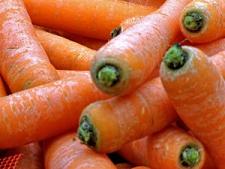
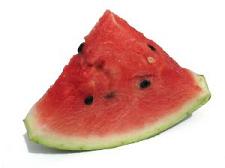
carrots watermelon

Once we apply this formula, our doubts should be cleared forthwith: with just 5g of net carbs per serving, “47 GI” carrots have a low GL of just 2! And those pesky “72 GI ” watermelons have just 11g of net carbs per serving bringing down their GL to just 7. You can find more Glycemic Index and Glycemic Load values on NutritionData. With a more moderate GL of 14 and also packed with an excellent vitamin and fiber profile, the banana is close to being the perfect food to eat after physical activities.

I hope this series has been useful in answering some questions you might have had about the Glycemic Index, how it’s calculated and why certain foods show abnormally high values for GI although they don’t seem to have that effect when you eat just a single serving (their GL might be low).

I would also like to hear back from you about your thoughts on my decision to split this post into three parts so I could focus on each topic individually and do it full justice. Do send me your feedback in the comments section.

(Part 3 of the Glycemia series: Glycemia | Glycemic Index | Glycemic Load)

Technorati Tags: health, fitness, nutrition, glycemia, glycemic index, glycemic load

Related Posts:


FitnessMantra Weekend: Just One In Seven Americans Exercises Regularly

08

April

Fitness Mantra del.icio.us pageWelcome to “FitnessMantra Weekend”, your once-a-week health news update. As always you can also stay updated with the latest in fitness news by subscribing separately to the Fitness Mantra del.icio.us feed.

To Gym SignWebMD is reporting that only “1 in 7 Adults Eat Right and Exercise” and in a nation with increasing obesity in both adults and children, this is definitely not the direction this statistic should be heading.

“No matter what group, the American public isn’t eating enough fruits and vegetables,” says Mary Kay Solera, director of CDC’s fruit and vegetable program and one of the study’s authors.

Solera confirms that the study may overestimate actual healthy behaviors because it was based on subjects’ self-reports. Research participants are known to routinely overestimate good behaviors and underestimate bad ones.

“My gosh, we’ve got to do more,” Solera is reported to have told WebMD. She can say that again!

More top health and fitness stories for this week:

  1. 1 in 7 Adults Eat Right and Exercise: As Americans spend billions each year on diet and exercise habits, it seems only a few are exercising at all, a new study shows.
  2. Fat hormone ‘boosts colon cancer’: A chemical produced by fat cells makes colon cancers grow faster, a US study has suggested.
  3. USDA Seeks More Healthful School Meals: As part of a sweeping effort to help improve nutrition for schoolchildren and fight childhood obesity, the Agriculture Department is proposing for the first time to require schools to bring their cafeteria menus into compliance with the latest U.S. dietar
  4. Why raiding the fridge at night is a bad idea: it’s not so much when you eat as what and how much that really counts.
  5. Vegetables, Milk May Help People Quit Smoking: A Duke University study shows that fruits, vegetables, and dairy foods make cigarettes taste terrible.
  6. Body Image: Bigger Can Be Beautiful: Do you have to be thin to be gorgeous? Not at all. Just take a look at supermodel and TV talk show host Tyra Banks, who recently showed off a healthy body and a healthy body image.
  7. Med diet ‘could prevent asthma’: Eating a Mediterranean diet could help protect children from respiratory allergies and asthma, a study suggests.
  8. Get your belly beach ready: Instead of buying into a quick fix this year, why not follow some of the experts’ advice for kicking that spare tire for good?
  9. Exercise can prevent arthritis in women: Exercise isn’t just about improving your heart and fighting flab that comes with aging. It may also be the answer to preventing stiff, achy joints that can lead to debilitating arthritis.
  10. Japanese bingeing on Krispy Kremes: After years of staying slim on a humble diet of fish, vegetables and rice, Japanese are developing a sweet tooth.
  11. Eggs raise cholesterol and other myths: Avoid eggs. Drink 8 glasses of water a day. Eating carbs will make you fat. Nutritional advice such as this has been touted for years — but is it accurate?
  12. $500 Million Pledged to Fight Childhood Obesity: The Robert Wood Johnson Foundation plans to spend more than $500 million over the next five years to reverse the increase in childhood obesity.
  13. Red meat ‘ups breast cancer risk’: Eating red meat significantly increases a post-menopausal woman’s chance of breast cancer, research suggests.
  14. Pregnancy weight can lead to fat toddlers: Women in the study who gained the recommended amount of weight ran four times the risk of having a child who was overweight at age 3, compared to women who gained less than the advised amount.
  15. Junk food ad ban comes into force: Junk food adverts have been banned from television when programmes aimed at young children are being shown.
  16. Fat heart patients ‘more prone to infection’: OBESE people are more likely to develop infected wounds and renal failure after heart surgery, research shows.
  17. Obesity May Make Asthma More Likely: Being overweight or obese may make asthma more likely, a new study shows.
  18. Nurses feel strain of obese patients: Obese patients could be causing thousands of nurses to seek treatment for back pain, according to experts.
  19. The 300 Workout: Can You Handle It?: The training regimen that whipped actors of the movie 300 into fighting shape may be too much for most of us.
  20. Eating healthy at the airport: Airport security procedures and airline budgets are leading to ripples of change in layover time, airport restaurant options and in-flight food service. All this adds up to major strategy adjustments for people trying to eat healthy while traveling.
  21. Omega-3 Fatty Acid May Protect Heart: An omega-3 fatty acid found in fish oil may help prevent nonfatal heart problems in some people with high cholesterol, a Japanese study shows.

Get the best health and fitness stories of the week in your RSS inbox.

Have a great weekend!

Fitness Mantra del.icio.us page

Technorati Tags: health, fitness, health news, fitness news, health links, fitness links, del.icio.us

Related Posts:


Older Entries Newer Entries

Blogroll
    Design Resources
      Currently Reading:
      "Good Calories, Bad Calories"
      by Gary Taubes
      Good Calories, Bad Calories

      Subscribe to Fitness Mantra       Proud Member of the 9Rules Network


      Recent Comments
      • toots: I bought a couple boxes because of the fiber content and WOW I hardly ever have gas, and I could not stop!!!...
      • Justin Hartnell: I am doing a research report on HFCS for one of my classes. I have found so many industry supported...
      • Amy F: I started breaking into hives shortly after including Fiber One bars into my diet. I went for extensive...
      • Lara Lalaa: OMG, what a blessing finding this site, Yesterday I purchased a whole box at Sam's and yes, the flavor is...
      • fitzroy Taylor: It is rather unfortunate to see responsible people in your country fooling around with people's...


      del.ico.us

      Links To FitnessMantra (Technorati)